
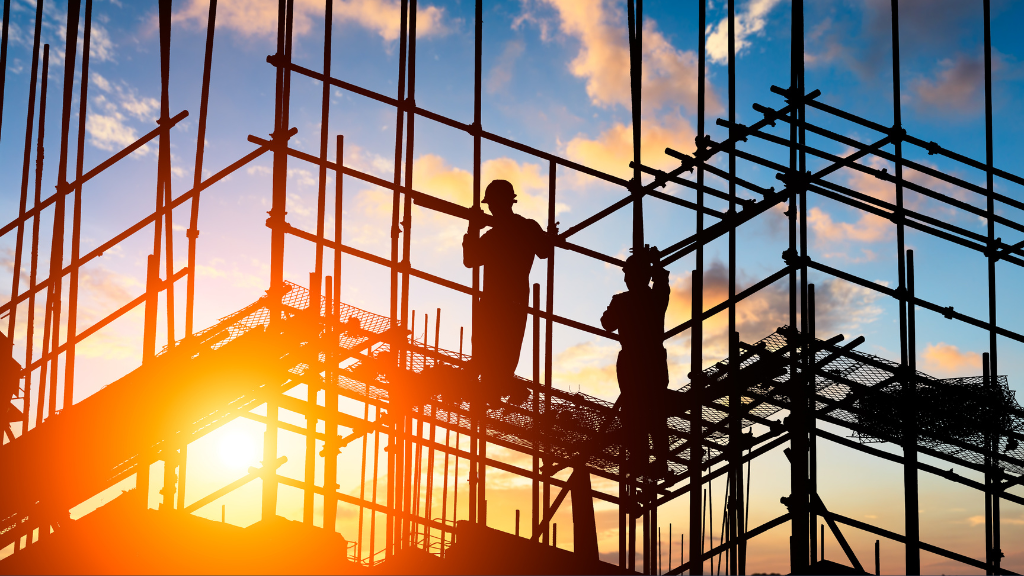
Fire risks on construction and refurbishment sites can be a particular concern, especially as the hazards - and the controls required to manage them - may change several times as a project progresses.
For a number of years, a Joint Code of Practice on the Protection from Fire of Construction Sites and Buildings Undergoing Renovation has been produced by groups representing contractors, insurers, and the fire and rescue services.
The Code aims to prevent fires on construction sites, setting out the requirements for fire safety controls. It covers key topics such as fire prevention during the design phase, responsibilities of specific individuals, emergency procedures, fire protection measures, and site security against arson.
What do employers need to do to reduce fire risks?
Exactly what is required will vary depending on the circumstances at each site; however, some key factors to consider include:
- Managing and reducing sources of ignition – for example, limiting designated smoking areas, minimising the need for hot works on site, safely managing any hot works that are required, and ensuring adequate security to prevent arson.
- Managing and reducing sources of fuel – for example, providing suitable storage for flammable materials and pressurised gases, identifying and managing work near underground gas pipes, minimising the amount of flammable material kept on site, and managing waste effectively.
- Ensuring suitable general precautions – including identifying and maintaining clear escape routes, providing firefighting equipment, ensuring fire detection systems are in place, and having reliable means of raising the alarm.
- Establishing effective emergency procedures – ensuring all personnel understand the actions to take in the event of a fire.
To reflect evolving construction practices, the Joint Code of Practice has been updated many times over the years and is currently in its 10th edition - you can download a copy of it here. The latest update includes revised guidance on temporary buildings and temporary accommodation, helping ensure fire safety measures remain relevant and effective.
➡️ If you need support in assessing fire risks on construction sites, and staying legally compliant and safe, explore our services – we can support your organisation through every issue.

0 Comments